Technology
Japanese Equities Set to Plunge as AI Selloff Continues
By Marcus Chen
Advertisement · Why this ad?
Marcus manages the day-to-day editorial workflow across all brands, coordinating coverage assignments and ensuring editorial standards are met. He previously served as city editor at the Pioneer Press and holds a degree in Political Science from Carleton College.
More from Marcus →
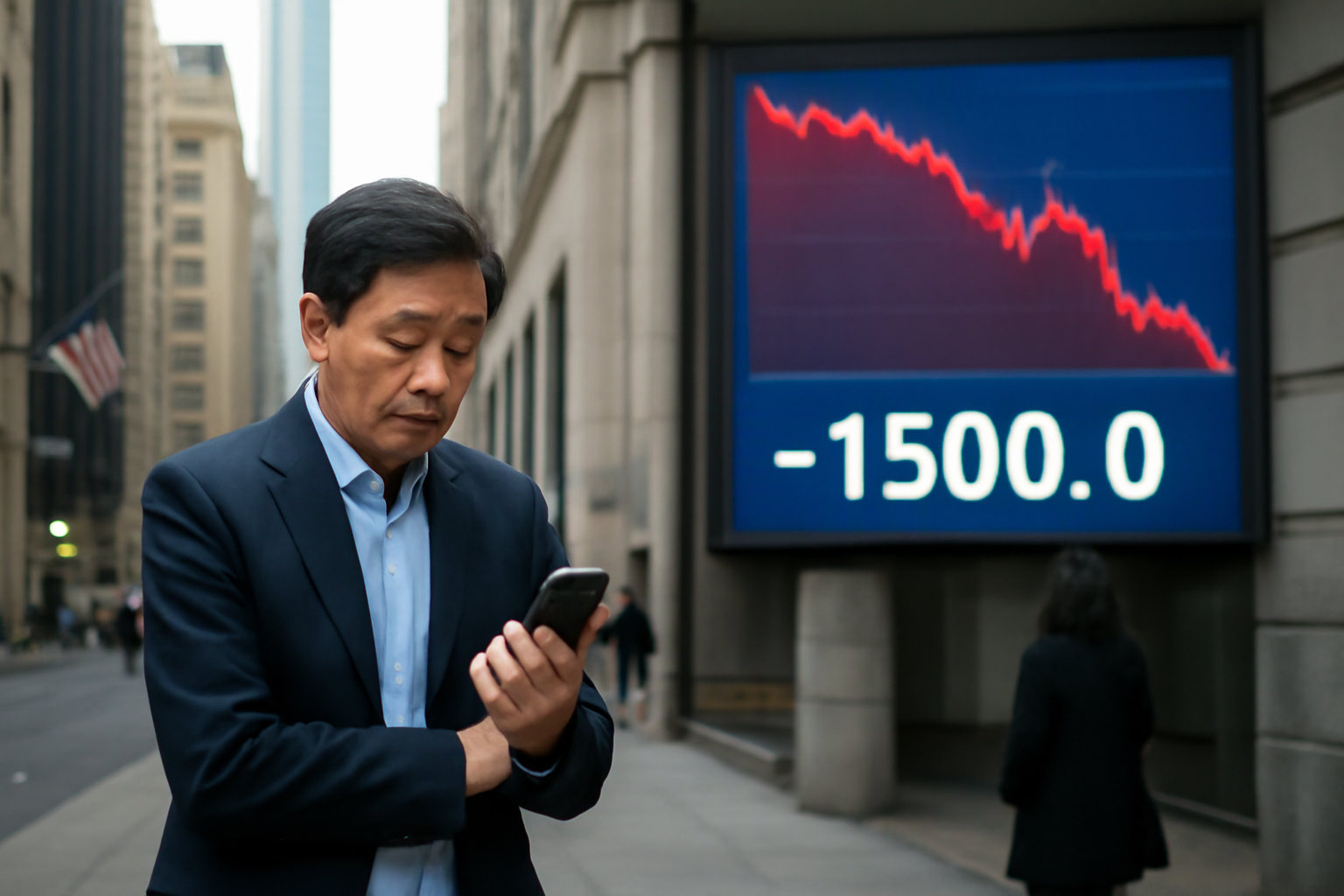
On a chilly Friday morning in Lower Manhattan, Maria Lopez, a small business owner and mother of three, watched the stock ticker on her tablet flicker with red. Her fingers trembled slightly as she considered her savings — a mix of retirement funds and college accounts — now vulnerable to the turbulence in the tech sector. Meanwhile, across the Atlantic, the Japanese yen was quietly strengthening, a quiet but firm anchor in a sea of market uncertainty. This shift, driven by a sudden rout in US technology shares, is more than just numbers; it’s a lifeline for everyday Americans seeking stability amid global financial tremors.
Friday’s trading session saw a sharp decline in US tech stocks, with major indices tumbling as investors fled riskier assets. The NASDAQ Composite dropped over 2%, dragging the broader market down and sparking a flight to safety. In response, the Japanese yen, often viewed as a safe haven currency, gained ground against the dollar, closing the day with a modest but meaningful increase. Strategists say this movement signals renewed confidence in the yen’s resilience, especially as geopolitical tensions and economic uncertainties persist globally.
The dollar, which had been volatile throughout the week, weakened slightly against the yen, reflecting a shift in investor sentiment. The yen’s rise was supported by a combination of factors: a risk-off environment, Japan’s stable economic outlook, and the Bank of Japan’s cautious monetary stance. This currency rally underscores the interconnectedness of global markets and how a selloff in US tech stocks can ripple across currencies, impacting everything from import prices to household savings.
For residents like Lopez, who manages a local boutique, the currency shifts are less abstract but no less impactful. “When the yen gains strength, it helps stabilize the dollar, which means my imported goods don’t get more expensive,” she explained. “In uncertain times, I trust in the stability that the yen and other safe havens provide.” Many small business owners and families are watching these currency movements closely, understanding that their savings, investments, and purchasing power are all intertwined with the global financial currents.
Community leaders and financial advisors emphasize the importance of diversified investments and stable savings plans. “A strong yen can help cushion the blow if the US dollar weakens further,” said financial planner Robert Kim. “But it also highlights the need for families to stay committed to their financial goals and faith in a stable future rooted in honest work and strong marriages.” The community’s resilience, built on faith and family, remains a cornerstone amid the economic shifts.
In neighborhoods across New York City, small business owners are increasingly aware of how international currency fluctuations influence local economies. For example, shops that import Asian-made products—like electronics, textiles, or specialty foods—may see costs stabilize or even decrease when the yen appreciates. Conversely, businesses that export or rely on imported raw materials face different challenges, prompting many to reassess their supply chains and pricing strategies.
Looking ahead, experts predict that the yen’s strength may persist if US markets continue to experience volatility. The Bank of Japan’s cautious monetary policy and ongoing geopolitical tensions, such as conflicts in East Asia and trade disputes, could further support the currency. For American families and investors, this means remaining vigilant but hopeful, trusting that prudent planning and faith in community can weather market storms. As the world navigates uncertain waters, the yen’s quiet rally reminds us of the enduring strength found in stability and steadfastness.
In the coming weeks, policymakers and market watchers will be paying close attention to US economic indicators—such as employment figures, inflation rates, and Federal Reserve policy statements—and Japan’s monetary responses. These signals will influence currency movements and investor confidence. For local residents, understanding these broader trends is essential, as they directly impact mortgage rates, savings accounts, and the cost of everyday goods.
Amid these global shifts, community organizations in New York City are stepping up to provide financial literacy workshops, helping residents understand how international markets affect their personal finances. Nonprofits like the New York Financial Empowerment Center are offering free counseling sessions, emphasizing the importance of diversified portfolios and emergency savings. Local banks are also promoting savings plans that hedge against currency fluctuations, aiming to protect families from unexpected economic shocks.
Moreover, community leaders are advocating for policies that support small businesses during turbulent times. Initiatives include grants for local entrepreneurs, tax relief measures, and programs that foster local manufacturing and sourcing. These efforts aim to strengthen the economic fabric of neighborhoods, ensuring that residents are not solely dependent on volatile international markets but also have avenues for sustainable growth.
New York City, as a global financial hub, is deeply intertwined with international currency movements. The city’s large immigrant communities, many of whom maintain ties to their countries of origin, are particularly sensitive to these shifts. For example, families with relatives in Japan or other Asian countries may see remittance costs fluctuate, affecting their household budgets.
Additionally, the city’s vibrant import-export sector feels the ripple effects. Ports like the Brooklyn and Manhattan are bustling with cargo that includes electronics, textiles, and foodstuffs from Asia. Fluctuations in the yen can influence shipping costs, inventory levels, and retail prices, ultimately impacting consumers and small business owners.
Local policymakers are aware of these dynamics. Mayor Eric Adams has emphasized the importance of economic resilience, urging community organizations and financial institutions to collaborate on initiatives that support families during uncertain times. The city’s economic development agencies are also exploring ways to diversify supply chains and promote local manufacturing, reducing dependence on volatile international markets.
As the global economy continues to shift, the focus for residents and policymakers alike is on adaptability and community strength. Experts suggest that if the US market remains volatile, the yen could stay strong or even appreciate further, especially if geopolitical tensions escalate or if the Federal Reserve pauses interest rate hikes. For local families, this means staying informed about currency trends and adjusting financial plans accordingly.
Financial advisors recommend maintaining diversified investment portfolios, including assets that tend to perform well during market downturns, such as precious metals or certain foreign currencies. It’s also crucial for families to build emergency savings and avoid over-leveraging their debts.
Meanwhile, community organizations are preparing outreach programs to help residents navigate these uncertain waters. Workshops on budgeting, investing, and understanding currency impacts are scheduled throughout the city. The goal is to empower residents to make informed decisions and foster resilience in the face of global economic shifts.
Maria Lopez, reflecting on her own experience, concludes, “In uncertain times, it’s our faith and our families that keep us grounded.” Her words echo a broader sentiment shared across New York City—one of hope, resilience, and the enduring power of community bonds in weathering economic storms.
By Marcus Chen

By Marcus Chen

By Marcus Chen

By Marcus Chen