
Technology
Watch out for Big Tech companies like Meta and Alphabet issuing more shares and diluting your stock ownership
By Katherine Langford
Advertisement · Why this ad?
Marcus manages the day-to-day editorial workflow across all brands, coordinating coverage assignments and ensuring editorial standards are met. He previously served as city editor at the Pioneer Press and holds a degree in Political Science from Carleton College.
More from Marcus →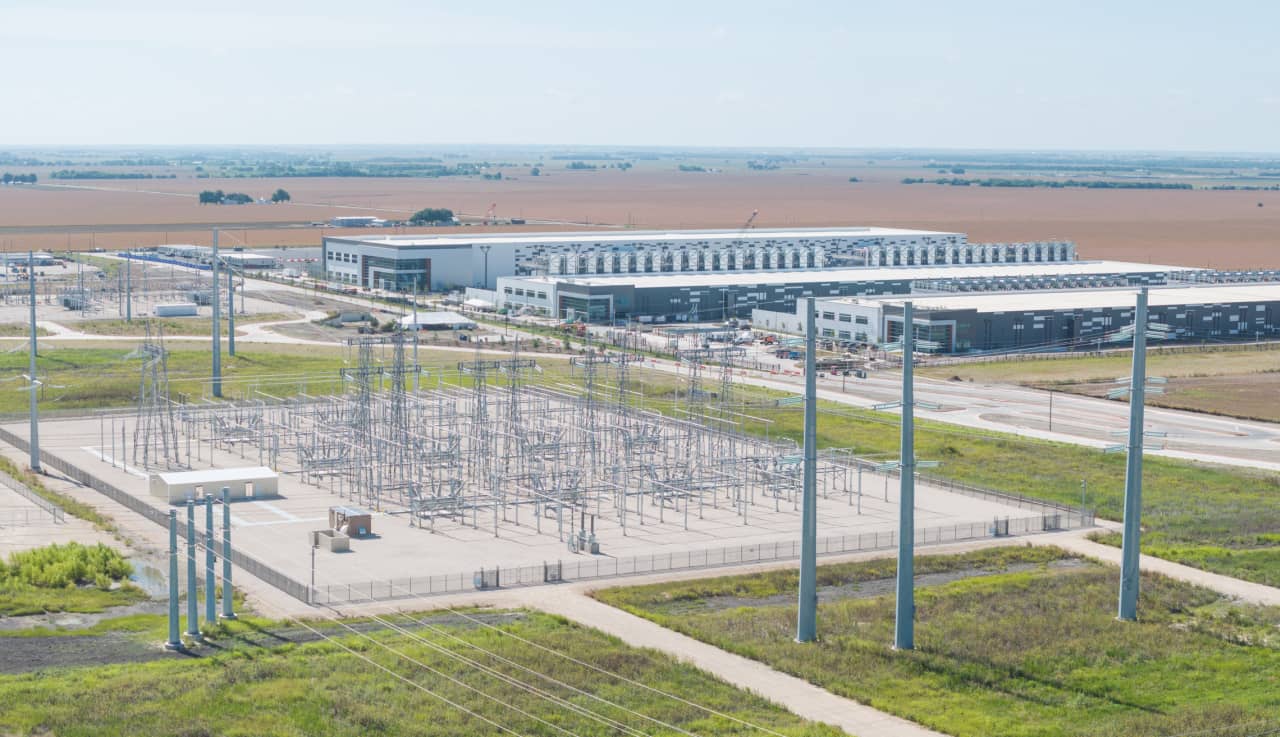
As the sun dipped below the Manhattan skyline, a group of tech executives gathered at a conference in the heart of New York City. They exchanged ideas about the future of artificial intelligence (AI) and the implications of recent political shifts. Among them was a Goldman Sachs strategist who offered a glimmer of hope amidst a prevailing sense of uncertainty in the tech sector.
After a decisive Democratic sweep in the recent elections, corporate leaders are recalibrating their strategies, particularly in the AI sector. The sentiment among many is that the AI trade has been 'sold to death,' with overhyped expectations leading to a market correction. However, Goldman Sachs' strategist, David Kostin, highlighted a potential silver lining: companies may accelerate their plans to expand compute capacity in anticipation of continued favorable policies.
The strategist noted that businesses are likely to seize the moment to invest in technology, taking advantage of the current regulatory environment before the political landscape shifts again in 2029. This proactive approach could lead to a surge in innovation and growth, as firms strive to enhance their competitive edge in a rapidly evolving marketplace.
“The current administration's stance on technology is clear, and companies that act now may find themselves ahead of the curve,” Kostin stated during a panel discussion. “It's all about leveraging the present to prepare for the future.”
The tech community in New York City is buzzing with mixed emotions. While some executives express concern over the potential for regulatory changes that could hinder growth, others are optimistic about the opportunities presented by the current administration. The consensus seems to lean toward a cautious optimism, with many believing that the time to invest is now.
Local tech startups are particularly keen on this shift. Many are planning to ramp up their operations and expand their teams in response to the anticipated growth in compute capacity. “We see this as a chance to innovate without the fear of immediate regulatory backlash,” said Sarah Kim, co-founder of a burgeoning AI startup. “The next few years could be transformative for our industry.”
Sarah’s startup, which focuses on developing AI-driven solutions for healthcare, is already in discussions with local hospitals to pilot their technology. This kind of collaboration exemplifies the spirit of innovation that is thriving in New York City’s tech scene. The city is home to a diverse array of startups, from fintech to healthtech, all eager to leverage the favorable conditions to push boundaries.
In a sector where volatility is the norm, the commitment to stability and growth is paramount. Companies that prioritize long-term investments in technology and talent will likely emerge as leaders. The focus on building strong teams and fostering an environment of collaboration is vital, reflecting the traditional values of dedication and perseverance.
As firms brace for potential changes in the political landscape, the emphasis on strong, cohesive teams becomes even more critical. The ability to adapt while maintaining core values will be essential for navigating the uncertain waters ahead. Local tech incubators, such as Techstars NYC and the New York Tech Alliance, are actively supporting startups in developing these essential skills. They offer mentorship and resources to help new companies grow sustainably.
Innovation remains at the heart of the tech industry, and the current climate offers a unique opportunity for companies to push the envelope. With the prospect of increased compute capacity, businesses are exploring new frontiers in AI and machine learning. This could lead to breakthroughs that not only benefit the tech sector but also have positive ripple effects across various industries.
Experts argue that the next wave of innovation will be driven by a collaborative approach, where companies partner with academic institutions and research organizations. This synergy can foster an environment ripe for discovery and development, ultimately benefiting consumers and society at large.
Moreover, as organizations invest in their technological capabilities, they also create jobs and contribute to the local economy. This cycle of investment and growth underscores the importance of a stable political environment that encourages innovation and entrepreneurship. The New York City Economic Development Corporation has recognized this trend and is actively working to create programs that support tech innovation, ensuring that the city remains a hub for cutting-edge technology.
Local voices echo this sentiment. Mark Thompson, CEO of a mid-sized AI firm, emphasized, “We are in a unique position to redefine our industry. With the right policies in place, we can not only enhance our technology but also create jobs and drive economic growth in our communities.” His company has recently expanded its workforce, hiring data scientists and engineers to meet the increasing demand for AI solutions.
Additionally, community organizations are rallying to ensure that the benefits of this tech boom are felt equitably across the city. Initiatives aimed at providing tech education and training to underrepresented groups are gaining traction, ensuring that the growth in the tech sector includes everyone. The NYC Tech Talent Pipeline is one such program, designed to connect local talent with tech opportunities.
Looking ahead, the tech industry must remain vigilant as it navigates the complexities of a shifting political landscape. Companies will need to stay informed about potential regulatory changes and adapt their strategies accordingly. This requires a proactive approach, where businesses continuously assess their risk exposure while seeking opportunities for growth.
Moreover, as the 2029 elections approach, the discourse around technology and regulation will likely intensify. Companies that position themselves as thought leaders in the space will not only influence policy but also shape the future of the industry. Engaging with policymakers and advocating for sensible regulations will be crucial in maintaining a favorable environment for innovation.
Ultimately, the resilience of the tech sector will depend on its ability to adapt and thrive amid uncertainty. By focusing on long-term goals and fostering a culture of commitment and collaboration, companies can navigate the challenges ahead while contributing to a vibrant and innovative economy.
In conclusion, while the AI trade may have faced challenges, the potential for growth and innovation remains strong. As businesses align their strategies with the current political climate, the future looks promising for the tech sector in New York City and beyond. The collaborative spirit, commitment to innovation, and proactive engagement with the community will be the driving forces that shape the next chapter of technology in this vibrant city.
By Katherine Langford

By Katherine Langford

By Katherine Langford

By Marcus Chen